The 15/25/35 minute assembly line
You book a $150/250$ mini-session. You show up. You get 15 minutes, maybe 20 if the photographer is running late with the schedule. You get told where to stand, told to smile, told to look at the camera. Click. Click. Click. Next pose. Next pose. Next pose. Then you’re done, and the next family is already waiting at the door.
That’s not a photo session. That’s a conveyor belt.
They’re not photographing you, they’re processing you
A photographer running six sessions a day at 15 minutes each doesn’t have time to learn anything about you. They don’t know if you’re nervous in front of a camera, if your kid hates posed photos, if you have a side you prefer, if you came in excited or stressed from traffic. They can’t know, because knowing takes time, and time is the one thing a $150-for-15-minutes model cannot afford to give you.
So they default to the same 15-20 poses they shoot every single session. Same angle. Same lighting setup, if there’s any lighting setup at all. Same expression cue. You are not a person to photograph, you are a slot on a schedule. The next client is already walking up while you’re still buttoning your coat.
The file you get is not a photo, it’s raw material
Here’s what most people don’t realize about mini-sessions: the images you receive are usually straight out of the camera, or run through one automated preset applied to the entire batch. No individual retouching. No skin work. No color grading to match your actual skin tone and the actual light in the room. No one looked at your specific face and asked what it needed.
A preset is not editing. A preset is a filter slapped on fifty people’s photos in one afternoon so the photographer can move to the next closing shift. It makes every session look the same, because it is the same, regardless of who’s in the frame.
Why none of it ends up on your wall
A photo worth printing and framing, the kind of image that looks like it was composed rather than clicked, needs three things most mini-sessions skip entirely: time to actually see the person in front of the camera, deliberate lighting instead of whatever’s available, and real per-image editing instead of a batch filter.
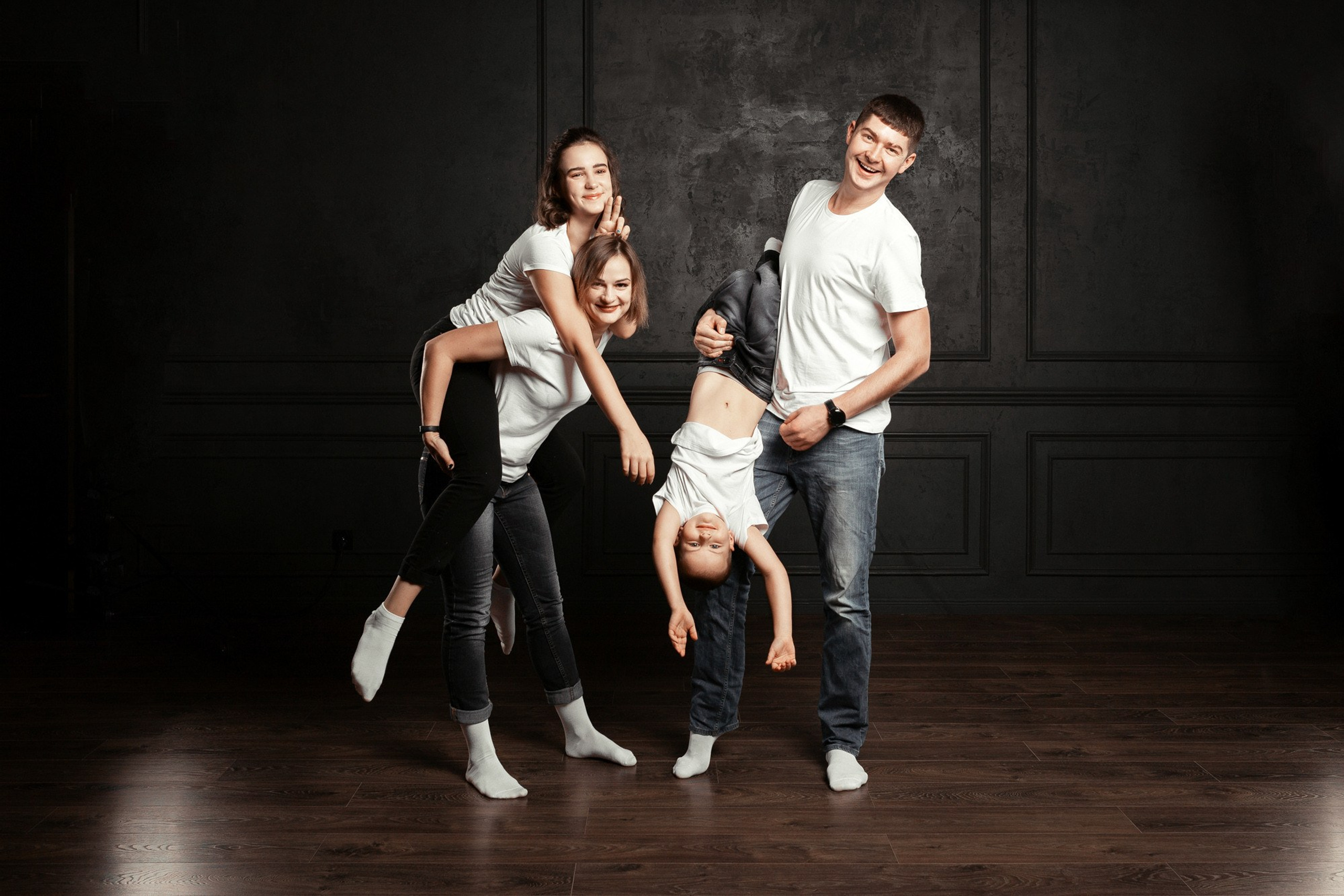
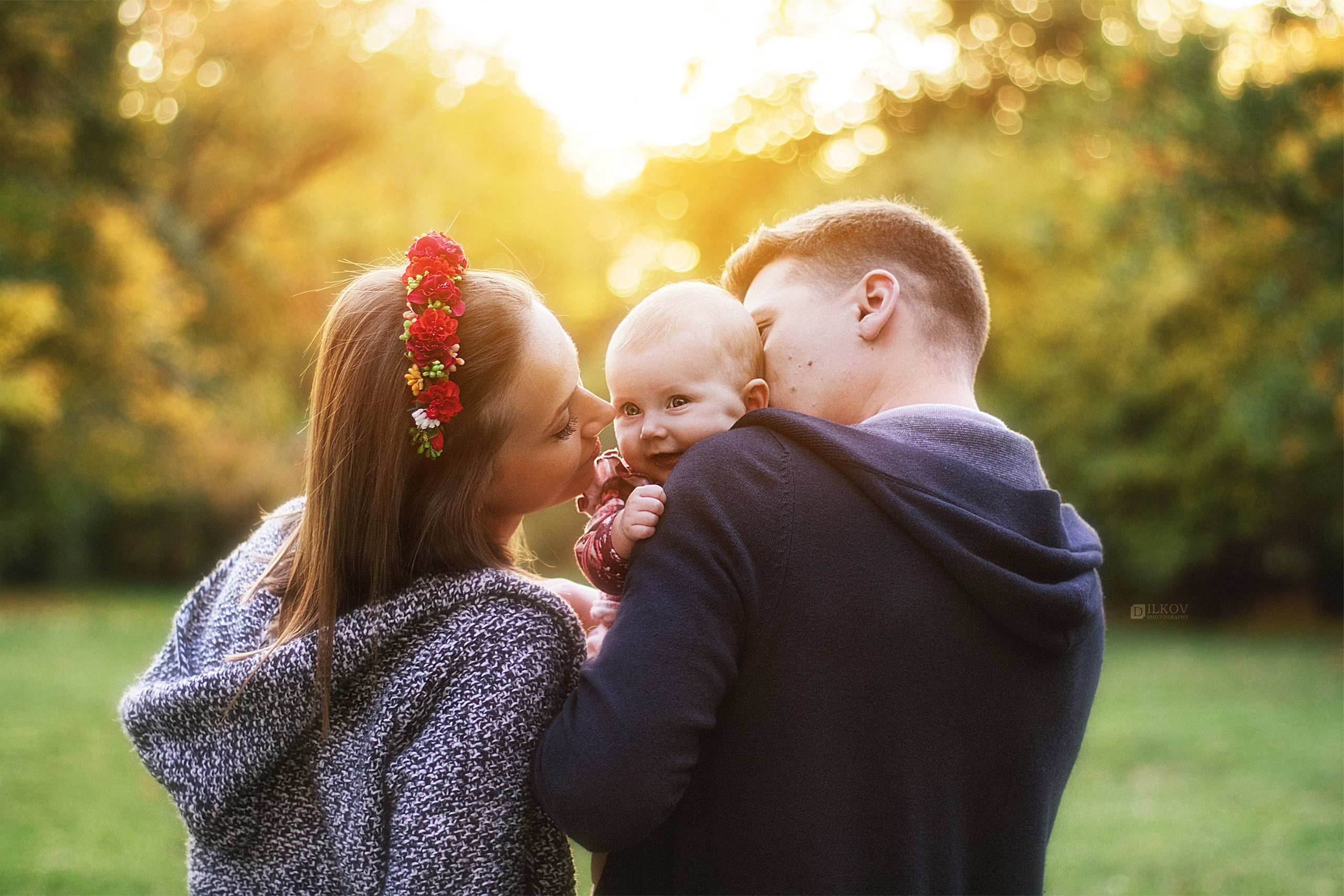
Skip all three and you get a technically fine photo. Sharp, exposed correctly, nobody’s eyes closed. And it still won’t be a photo you want on your wall, because a wall-worthy portrait isn’t about technical correctness, it’s about the image actually looking like art, not paperwork. A properly lit, properly edited portrait should hold up next to a painted portrait, not look like a passport photo with better lighting.
That’s the real cost of $150 for 15 minutes. Not the money. The fact that you now have a file that proves you were there, instead of a photograph that’s actually worth keeping.
What a session should actually look like
A session built around you, not around a schedule, runs long enough to get comfortable in front of the camera, because the first five minutes rarely produce the real shot. It uses studio lighting shaped for your face and your session, not whatever ambient light happened to be in the room that day. And every image you receive gets looked at individually, not run through one preset for the whole batch.
That’s the difference between a photo you post once and a photo you print, frame, and still love in ten years.